
Getting Started
The first steps
When it comes to forming a group, there are several routes available to you. You may be an existing community organisation looking to diversify your service or offer. You may decide to join an existing group or form a new group. You may even be a developer looking to collaborate with a community. Whatever route you take, don’t forget that community led housing is just that – led by and with the community, so it’s important to get the word out locally and online.
There are five steps to consider at the group stage. Below we will touch on these steps in some detail, however we would recommend talking through these steps with us as we will be able to provide support and guidance and maybe even connect you to a group already working in your area.
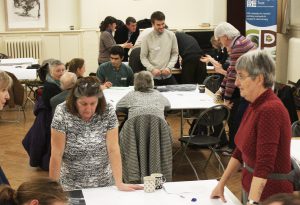
The 5 step starting process
Form a steering group
You will need people to steer the project; keep it focused and keep it on track. The steering group plays a critical role in making sure that the whole community is involved with the project. Find out more about setting up a steering group, and what role it plays here.
Decide on your purpose
The steering group will need to consider your project’s goals and make sure they are met. Here are a few things to consider:
What is the community group trying to achieve and what are the intended outcomes? The aims you decide on should relate to particular threats and opportunities.
Establish who you are aiming to help:
Are the group looking to house themselves?
Is the group building homes for other people in housing need? If so what type of homes are needed?
Develop a ‘Vision, Values & Mission’ statement. This will help to explain why the group exists, what it will achieve and its beneficiaries.
Having a clearly defined purpose will help the community to understand why the group is better able to achieve outcomes. You can use this purpose to win support from others.
Recruit more people
Community led housing is people powered so steering group members are the starting point. Providing homes for anyone in the local area will need a large diverse membership. You will need to build up support in the local area which will limit or even avoid local opposition.
Talk to people you know in the area and introduce yourself to like-minded people. Are there other local projects that you could tie in with, or other events that you could go and spread the word at? Although it seems the whole world is online these days, remember to engage in as many ways as possible such as online, in person, and in local papers.
It’s also good idea to contact and align with potential project partners such as local authorities, housing associations, private developers/builders, investors, and your Community Housing Enabler
Develop a business plan
Successful groups need a business plan. A business plan for a community business sets a path to to success and helps win support of potential partners and confidence among members. Try to sketch out a full picture from the start – getting a feel for the process and costs throughout the five stages (Group, Site, Plan, Build, Live).
It may be good practice to speak with other groups who already have a business plan. Peer support can be a great asset when undertaking a community led housing project as learning about other’s experiences might guide you in how you wish to proceed. Groups are often happy to share information and examples and documents. As part of accessing our service we can support the development of these relationships through our peer support network.
Incorporate your group
The steering group will need to consider your project’s goals and make sure they are met. Here are a few things to consider:
What is the community group trying to achieve and what are the intended outcomes? The aims you decide on should relate to particular threats and opportunities.
Establish who you are aiming to help:
Are the group looking to house themselves?
Is the group building homes for other people in housing need? If so what type of homes are needed?
Develop a ‘Vision, Values & Mission’ statement. This will help to explain why the group exists, what it will achieve and its beneficiaries.
Having a clearly defined purpose will help the community to understand why the group is better able to achieve outcomes. You can use this purpose to win support from others.